


By Geetartha Pathak
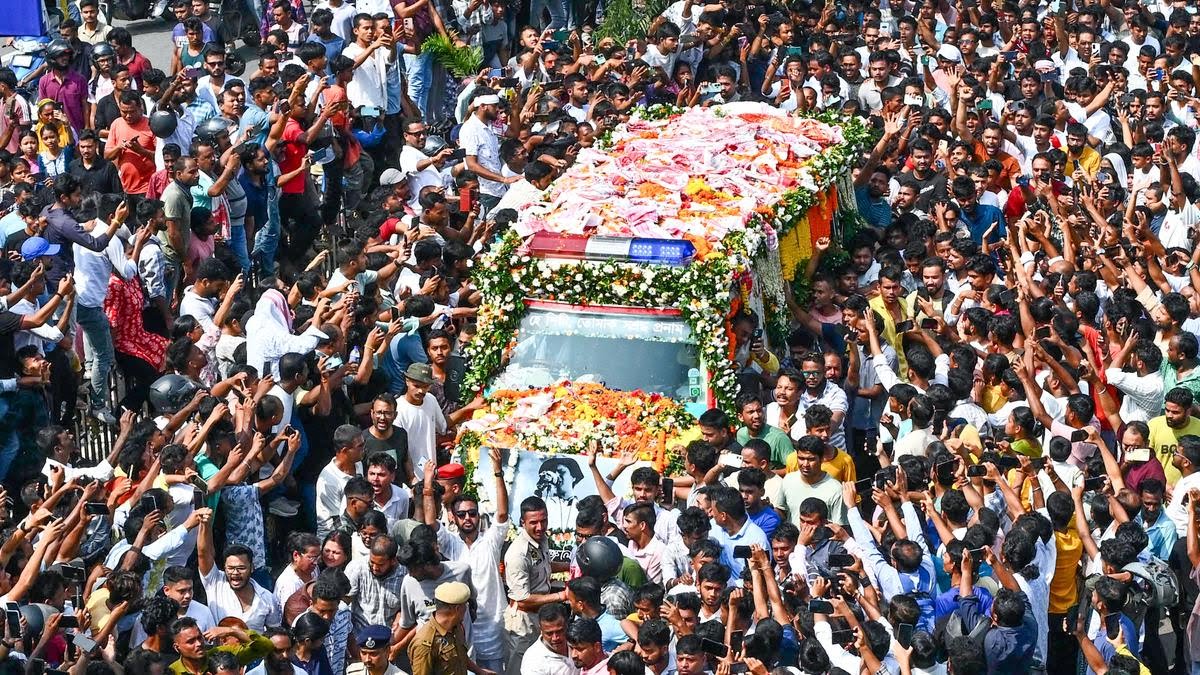
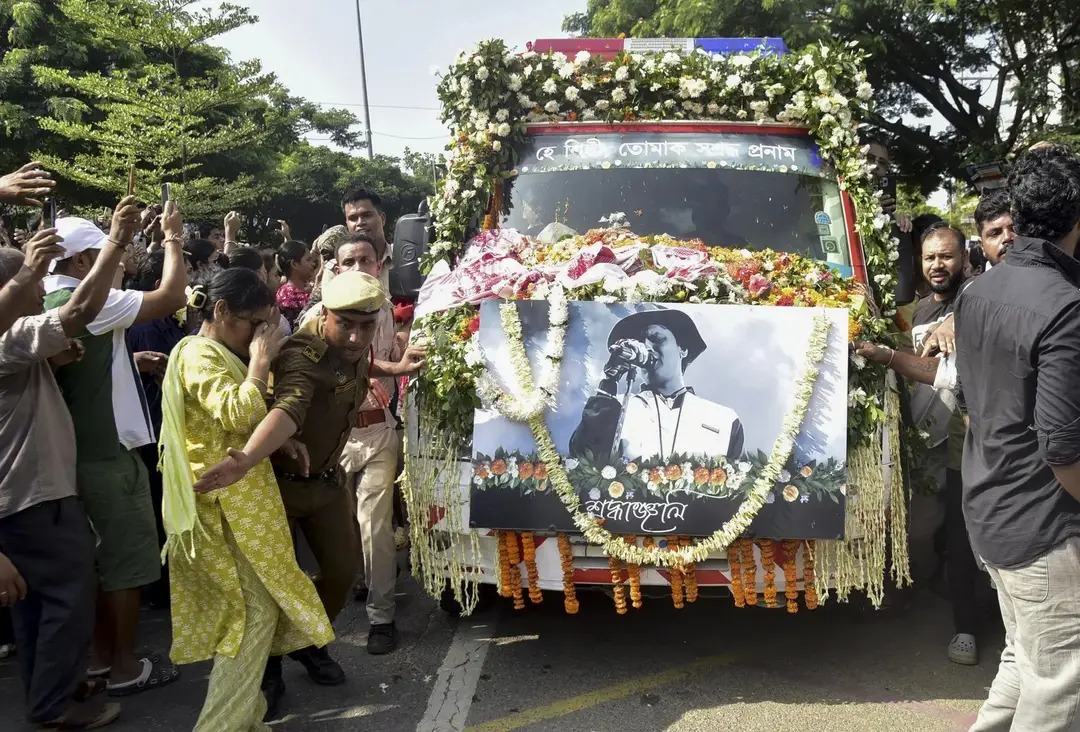
Guwhati: Assam woke up to a devastating reality with the sudden and tragic death of Zubin Garg, one of its most beloved cultural icons. Known as the “Heartthrob of Assam,” Zubin was not only a singer of immense popularity but also a figure who bridged music, cinema, and social movements with unmatched passion. His death has triggered waves of grief that remind us of the loss of global icons like Michael Jackson, Princess Diana, or Whitney Houston — stars whose passing left a void that could never be filled.
An Icon for Generations, Especially Gen Z
For the younger generation, particularly Gen Z, Zubin was more than a singer. His romantic numbers, modern pop creations, and powerful stage presence connected deeply with the youth. Unlike many stars who remain aloof, Zubin embodied accessibility — he was down-to-earth, approachable, and always vocal about social causes. His songs gave voice to youthful energy, love, and defiance, making him an inseparable part of Assam’s modern cultural identity.
Circumstances Around His Death
Yet, the circumstances of his demise remain shadowed by contradictory reports. What appears consistent is the fact that Zubin had been physically weak, having only recently recovered from a hospital stay. A known epileptic, he required constant care and vigilance, especially during large public events. Many believe the event organizers failed to ensure his safety. With his celebrity stature, additional medical supervision and protective measures should have been mandatory. The absence of such precautions raises painful questions.
Beyond Music: A Humanitarian and Rebel Voice
Zubin’s popularity was not confined to his romantic ballads or film appearances. He was a humanitarian who extended help to the poor and needy, often quietly without seeking publicity. Local accounts recall how he funded education for underprivileged children, supported artists in distress, and reached out to flood-affected families across Assam.
He was also a rebel voice who did not compromise with power for personal gain. He stood against the Citizenship Amendment Act (CAA), lending his voice and presence to people’s protests. When the Assam Government ordered the felling of centuries-old trees near Guwahati’s Dighali Pukhuri, Zubin openly opposed the move, standing firm with environmental activists. His integrity and courage made him more than an entertainer — he was a conscience-keeper of society.
The Mass Appeal and Comparisons with Legends
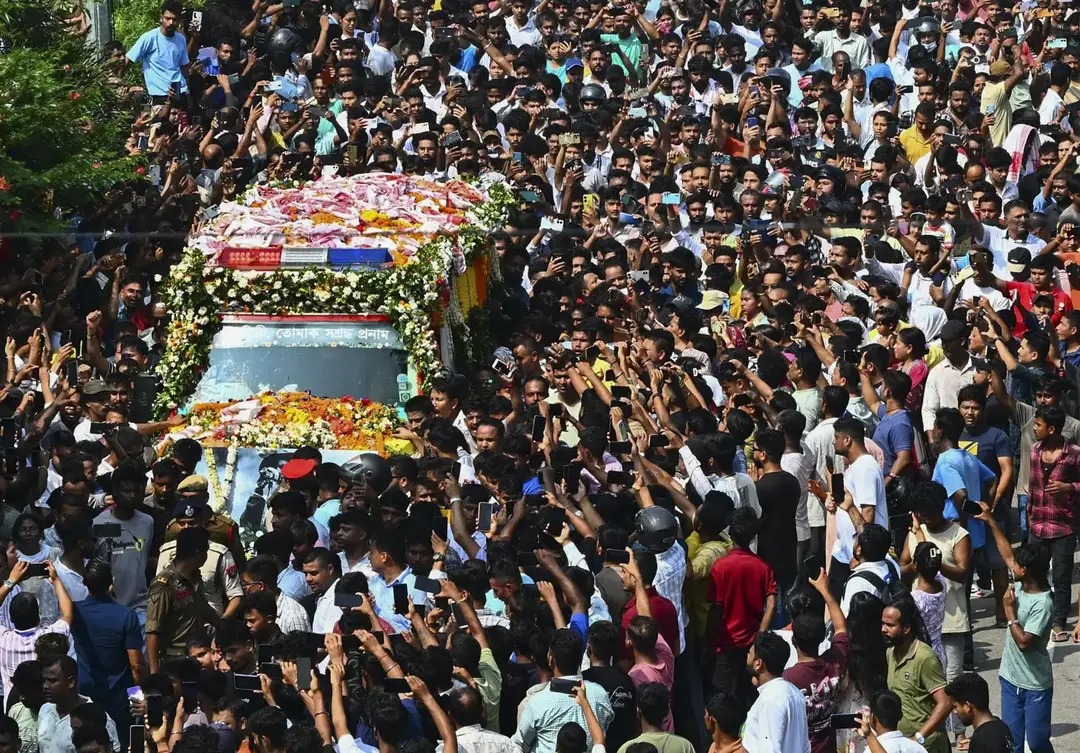
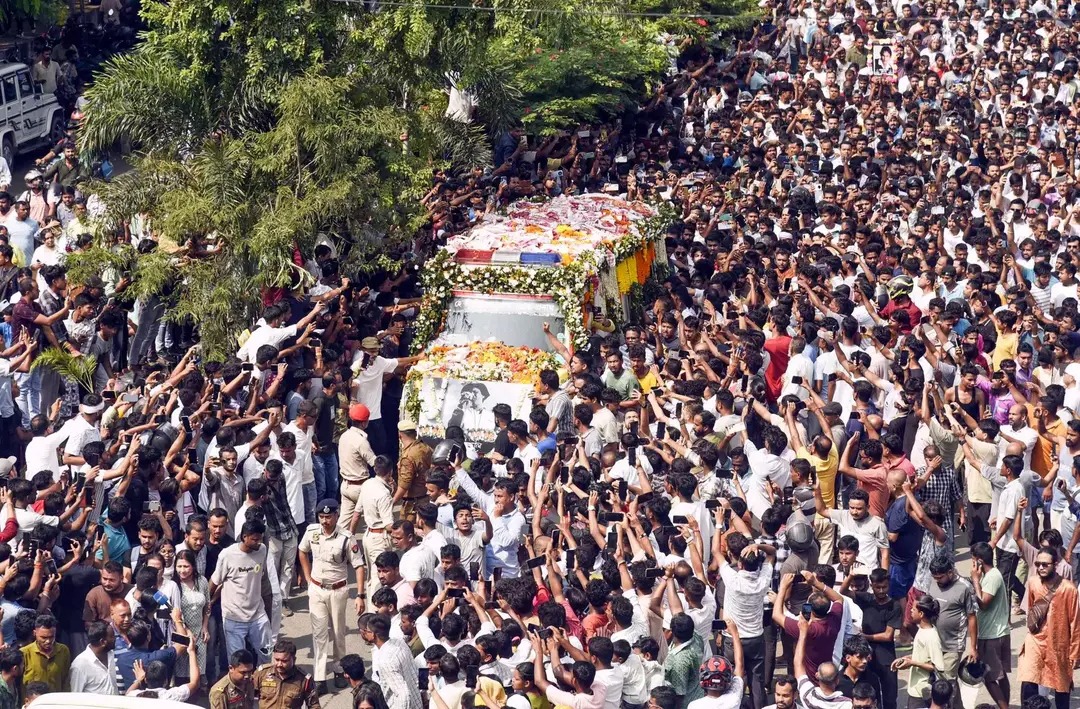
The outpouring of grief after his death is being compared to the extraordinary scenes following Bhupen Hazarika’s passing. Crowds that thronged to catch a last glimpse of Zubin surpassed earlier records, a testament to the emotional bond he shared with his people. In this, he joined a rare league of stars whose deaths trigger mass mourning: Michael Jackson, whose sudden end shocked global fans; Princess Diana, whose fatal accident evoked worldwide tears; and Kobe Bryant, whose death left millions shattered.
As the writer Albert Schweitzer once said: “The only thing of importance, when we depart, will be the traces of love we have left behind.” Zubin’s traces are woven in the songs sung by college youth, the memories of rural concerts, and the ideals of protest and compassion he embodied.

Conspiracy Theories and Political Shadows
Not all accept his death as merely natural. Eminent intellectual Dr. Hiren Gohain has suggested there could be more beneath the surface. Given Zubin’s open criticism of the BJP and rumors of his possible entry into electoral politics, some whisper of a conspiracy to silence a rising political voice. While many see this angle as improbable, the suspicion reflects the unease of a society unwilling to accept the sudden departure of such a vital figure.
Understanding Public Grief: The Psychology of Losing Icons
The collective grief following Zubin’s death highlights the psychology of societies when their cultural icons die. For many, stars like Zubin are not just artists but emotional anchors. They shape identity, provide solace, and symbolize hope. When such figures die, it feels like a part of one’s own life has ended. As John Lennon once reflected on Elvis Presley’s death: “Before Elvis, there was nothing.” Similarly, for thousands in Assam, life now feels incomplete without Zubin.
The Final Note: A Legacy That Will Outlive Death
Whatever the controversies or unanswered questions, one truth stands firm: Zubin Garg is no more. But his music, his ideals, and his humility have carved a permanent space in Assam’s cultural memory. His voice will continue to resonate in the hum of guitar strings, in protest rallies, and in the quiet hearts of young lovers.
Assam has lost a son, but generations will remember the singer who gave them words for their emotions and courage for their struggles. His death may have silenced his body, but his legacy will remain an eternal song.

